
Darwin FTW

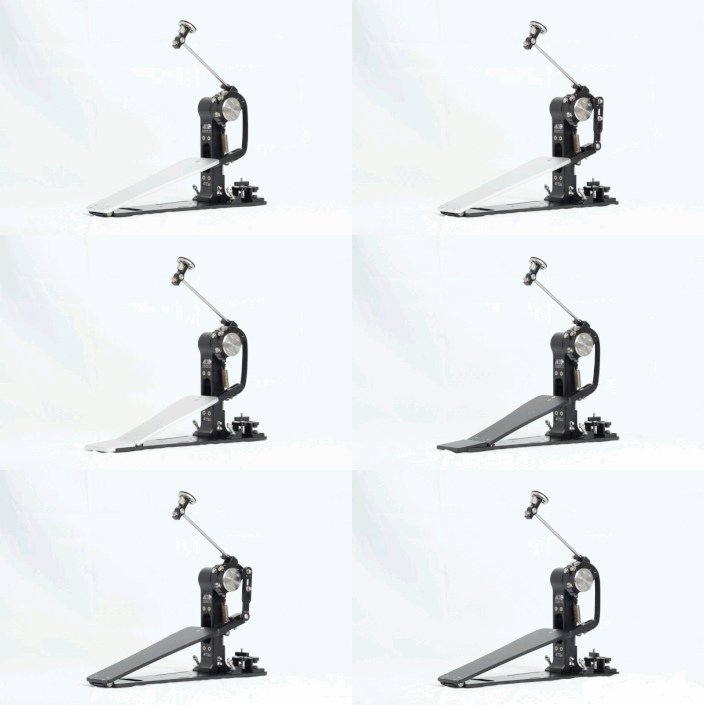
When I built my first drum pedal almost two decades ago during my vocational training, it was impossible to know where this path would eventually lead.
Starting from an initial prototype, the pedal was developed continuously over the years in small, deliberate steps. Rather than settling for compromises, unresolved aspects were consciously set
aside until a coherent and technically sound solution emerged.
From the very beginning, the goal was to create a pedal that gives the player complete freedom to find their own setup. A pedal that runs balanced and efficient in its basic configuration, while
still offering ample room for experimentation. Wherever a drum key fits, parameters can be adjusted and combined in a wide range of ways.
Through my work with ACD, an ongoing exchange with creative musicians from many different genres has developed over the years, ranging from heavy metal to swing and jazz. Practical experience
from rehearsal rooms, studios, and touring environments has directly influenced the continued development and construction of the pedal.
After the strong response from the drumming community and the many positive reactions to the Darwin series, it was time for a focused update. The proven design has been refined further over
recent years to extract the last degree of efficiency and performance.
In short: Darwin FTW.
Symmetric Design


A pedal should follow the foot ergonomically in every situation. For optimal results, the construction is deliberately adapted to the left and right foot individually.
To achieve this, the right pedal design is consistently mirrored for the left foot. Whether configured as a single, double, or middle pedal, the columns are always positioned on the inner edge. This creates significantly more free space toward the outside.
Beyond the visual aspect, this layout provides unrestricted room for slide techniques and other playing experiments, while maintaining a balanced and symmetrical feel regardless of setup preference.
Footboard Types

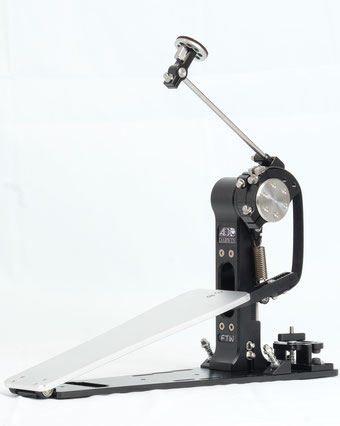
Shortboard
The classic geometry.
The footboard consists of a movable section combined with a fixed heel plate.
The shorter lever results in a more mass-driven, direct playing feel.
Longboard
When a bit more is desired.
The overall length corresponds to the shortboard combined with the fixed heel.
The extended lever results in a lighter, more direct playing feel and provides additional room for experimentation.
Shortboard and longboard share the same base plate, allowing them to be swapped quickly and with minimal effort. In the heel area, generously sized ball bearings ensure high stability and a smooth, consistent motion.
Drive
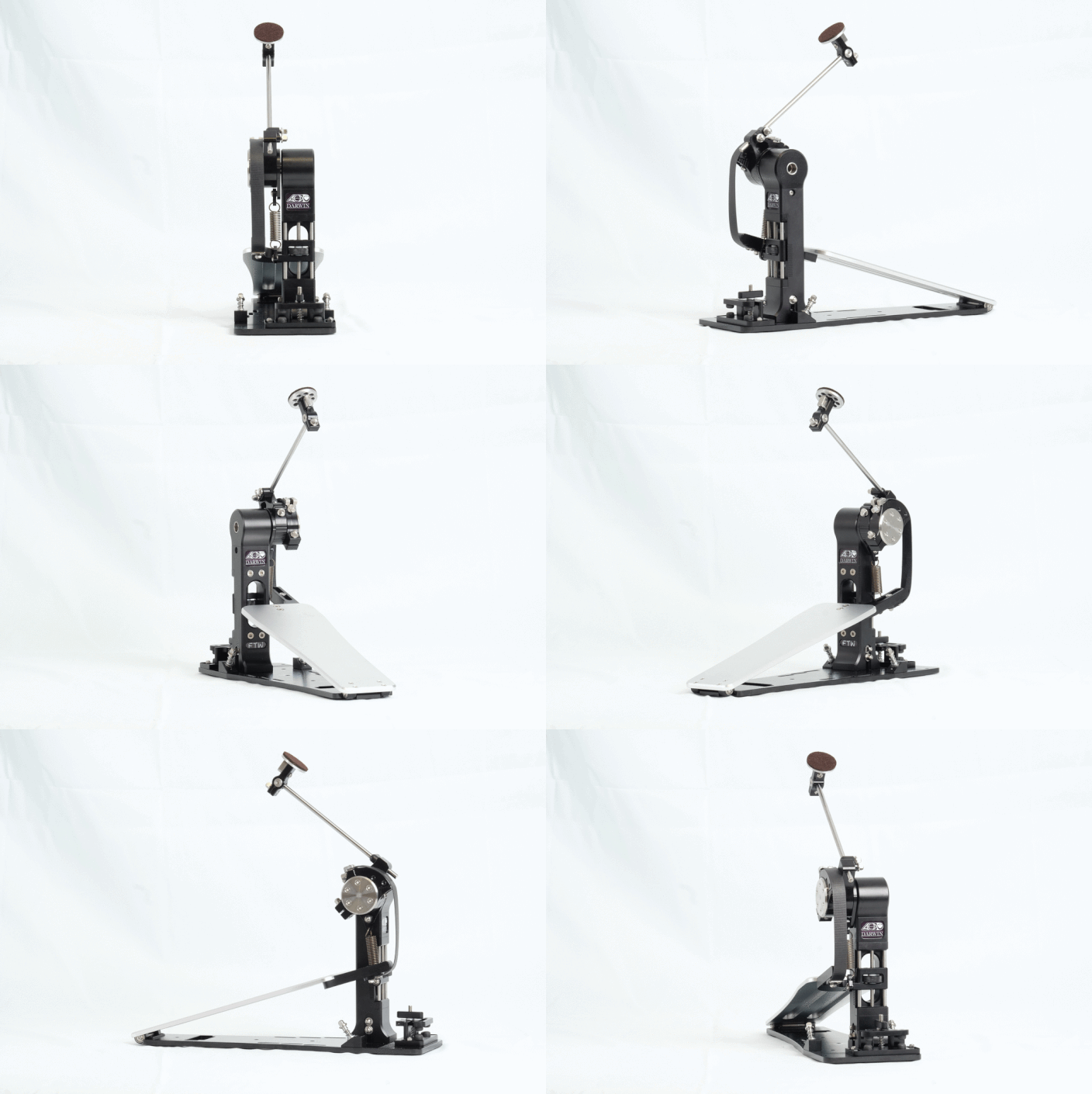
As mentioned earlier, the Darwin is designed with versatility as a core principle. In addition to the extensive basic adjustments such as hoop clamp position, spring tension, and beater and footboard angles, the FTW version unfolds its full potential in the drive system.
The construction allows the use of either a strap drive or a direct drive, with a straightforward and quick conversion between both configurations.
A key element is the split drive cam in combination with the independently adjustable footboard connection. This interaction allows several essential geometry parameters to be adjusted and provides an exceptionally wide dynamic range along with very fine control over the playing feel.
Beyond the drive material itself, the overall feel of a pedal is always influenced by multiple interacting parameters. For this reason, broad generalizations should be taken with care.
Strap drive and direct drive differ primarily in their rolling behavior. Within the Darwin system, these characteristics can be deliberately damped or emphasized depending on the chosen setup.
Put simply, a strap drive tends to build and release the applied energy more evenly over the course of the movement, while a direct drive usually transfers energy in a more immediate and abrupt manner.
Based on long-term experience and feedback, I generally recommend the strap drive for players looking for a versatile, efficient, and natural-feeling setup. It provides a very balanced foundation and has proven to work well for a wide range of playing styles.
That said, by combining cam settings, lever ratios, beater and footboard angles, spring tension, and beater weight, these characteristics can be shifted significantly or even reversed. In practice, a direct drive setup can come surprisingly close to a strap drive feel, and vice versa.
If you are unsure which configuration suits you best, feel free to get in touch. I’m always happy to help guide you through the options.
Strap Drive


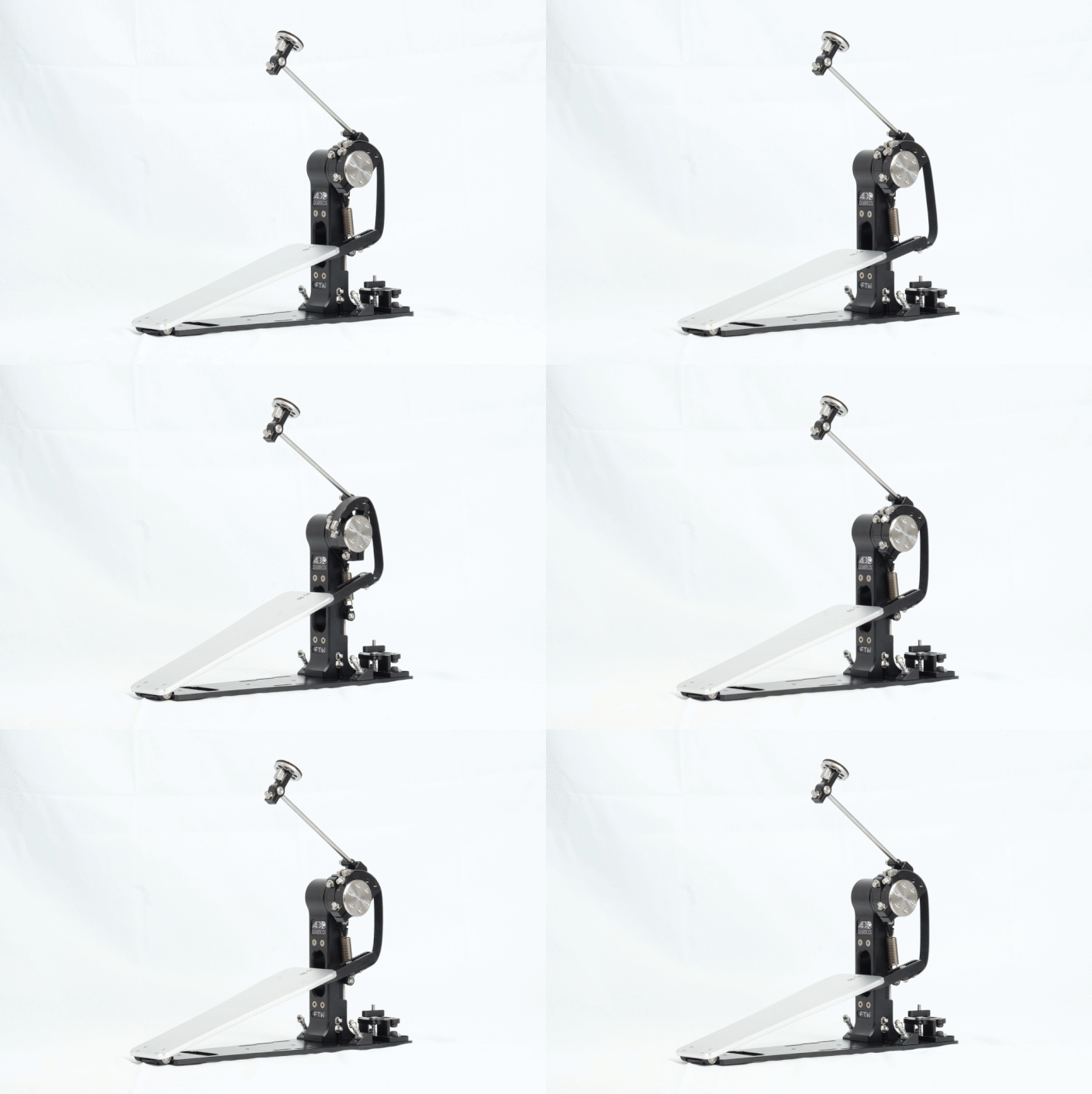
The strap drive is a consistent alternative to conventional chain-driven systems. Thanks to modern materials, it offers a smoother running behavior with significantly reduced unwanted rotating
mass compared to a chain.
The strap was developed in collaboration with a German belt manufacturer. It consists of a thin nylon–Kevlar composite with a neoprene layer on the contact surface. The result is a
smooth-running, high-tensile, and virtually wear-free drive.
The strap length can be adjusted continuously at the footboard. This allows the footboard height to be optimized independently of the drive mechanism itself.
The geometry of the cam features a defined release edge. By rotating the cam, this edge can be emphasized or completely softened as required. When emphasized, the beater receives additional
acceleration during the final phase of its rotational movement.
In addition, the cam can be adjusted continuously from a round to a strongly eccentric profile when used with the strap drive.
By combining these two parameters, a wide range of running characteristics can be achieved, allowing the pedal to be tuned very precisely to individual preferences.
Direct Drive


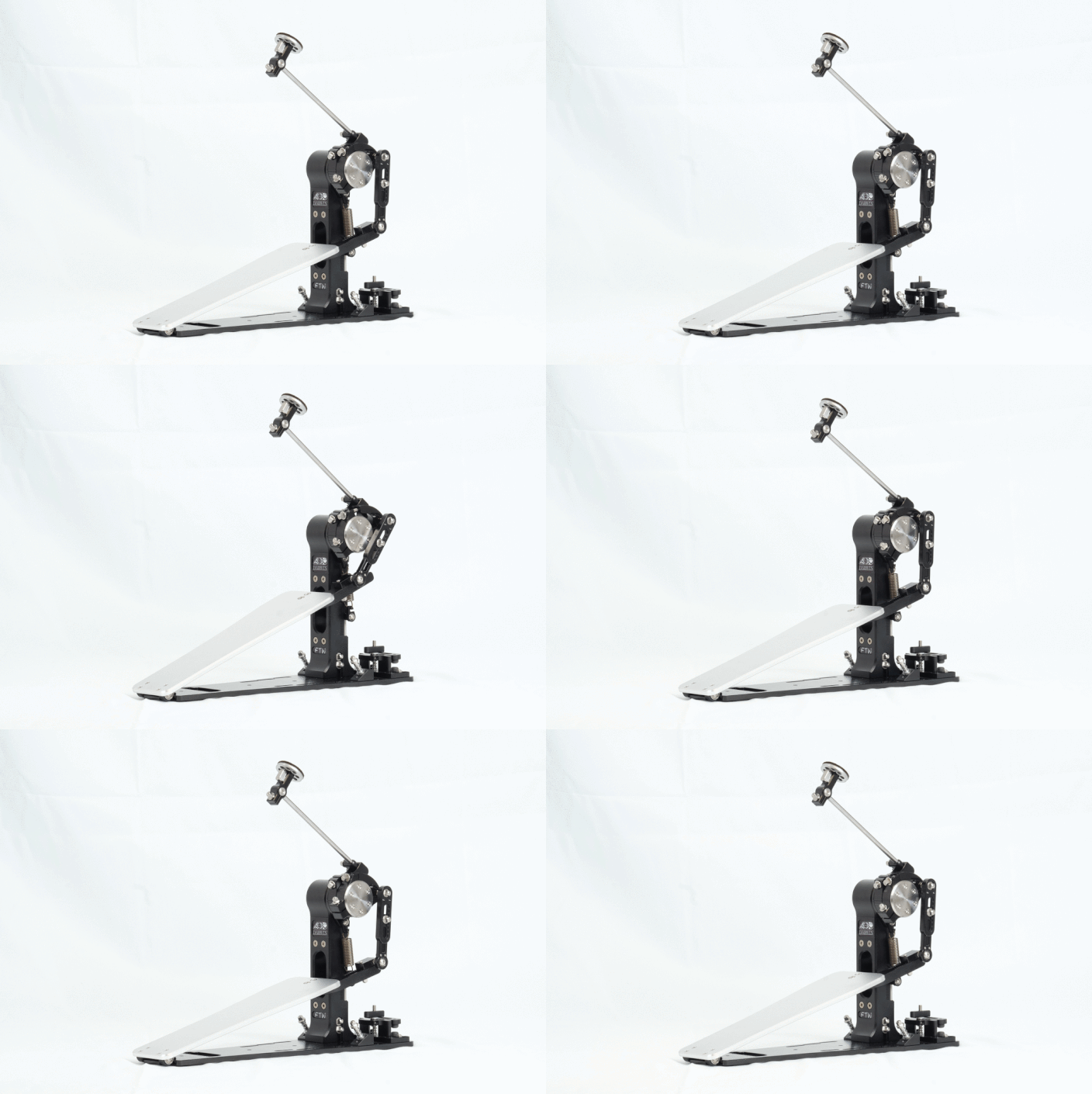
Over the years, direct drive has established itself as a serious alternative to strap- and chain-driven systems and has built a dedicated following.
On the Darwin, the direct drive is based on the same fundamental construction principles as the strap drive. The split drive cam, in combination with the anchor point at the footboard, allows for extensive and continuous adjustment of the leverage ratio.
Together with the independently adjustable footboard angle and the additional rotational adjustment of the cam, this results in a very wide range of playing characteristics. Depending on the configuration, the power transfer can feel extremely direct and immediate or more controlled and even.
The direct drive responds particularly sensitively to changes in geometry. Even small adjustments can have a noticeable effect on dynamics, feedback, and overall character.
The length-adjustable direct drive link allows the footboard height to be set independently of other parameters, adding another layer of fine control.
Thanks to this range of adjustment options, the direct drive not only accommodates clearly defined preferences, but also actively encourages experimentation and precise adaptation to individual playing styles.
Hoop Clamp & Main Spring
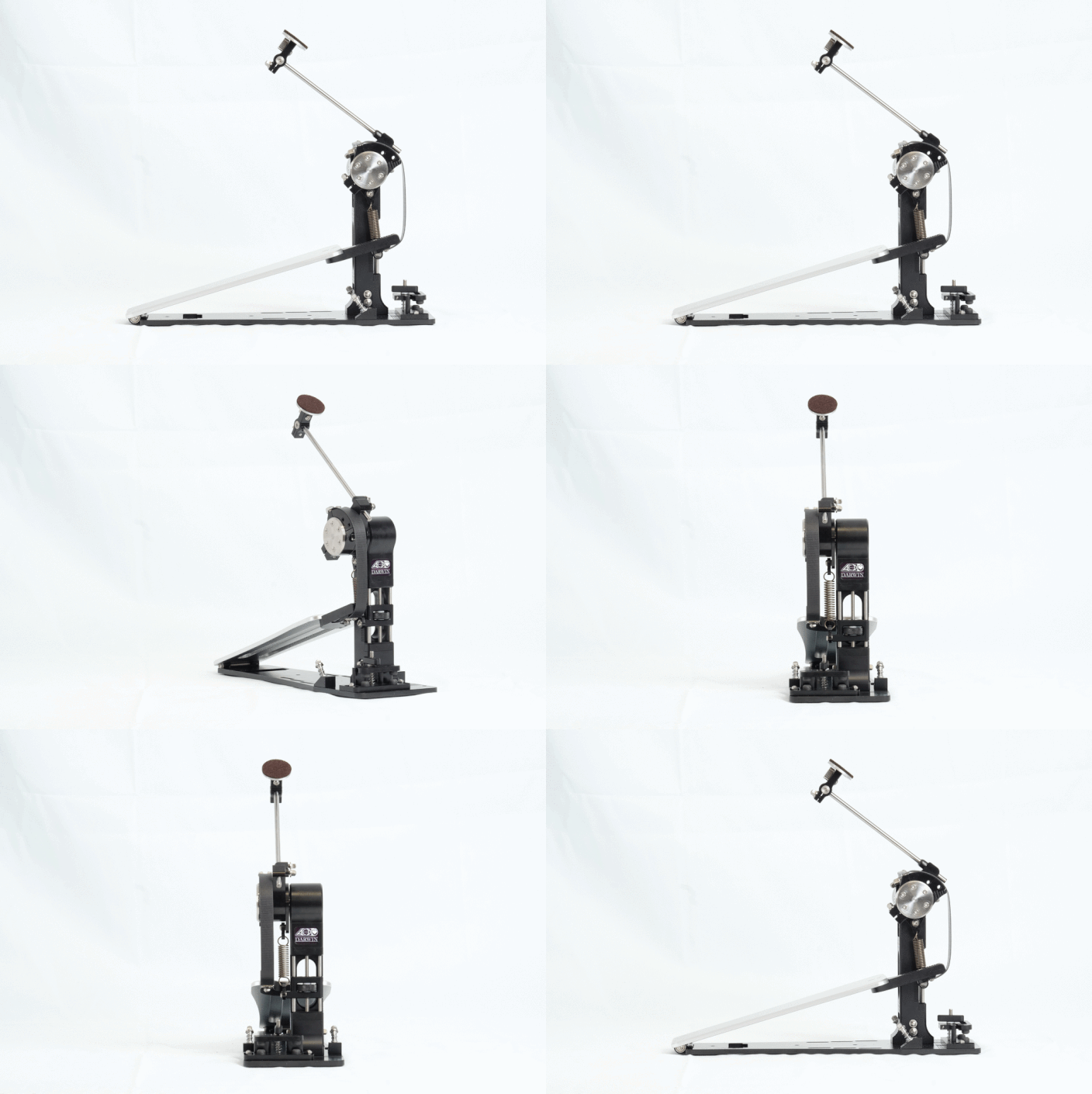
The hoop clamp is designed as a self-contained unit, allowing adjustment both lengthwise and crosswise.
This makes it possible to precisely set the distance to the drumhead so that the beater strikes the head at the highest point of its movement, without over-rotation. At the same time, the construction allows clean centering of the beater on a single pedal, or precise alignment of the symmetry axis of both beaters on a double pedal.
The hoop itself is clamped between grippy yet gentle rubber pads, ensuring a secure hold without damaging the hoop.
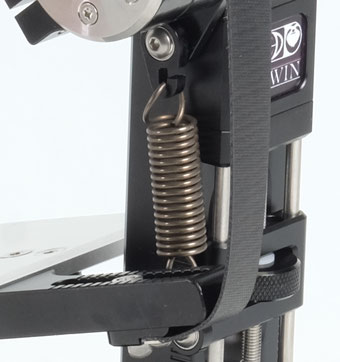


Often underestimated, the spring geometry is one of the central elements of a drum pedal.
During the development of the prototypes, extensive experimentation was carried out with different spring lengths, rates, and materials, as well as with angles and distances within the mechanism.
The result is a performance characteristic that, on many conventional pedals, can only be achieved with very high basic spring tension.
Thanks to the optimized geometry, the pedal already feels direct and controlled at low basic tension, with a lively and efficient dynamic response.
The tension spring is mounted on ball bearings at both ends and can be adjusted tool-free via a smooth-running slider. Access is designed to be quick and straightforward, making it easy to fine-tune the setup even while playing.
Reference Marks
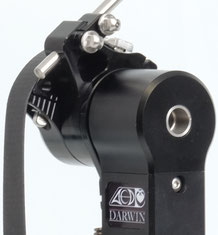


Numerous reference markings on all adjustable components support precise setup, make it easy to return to previously found configurations, and encourage the exchange of different setups within the Darwin community.
DriveShaft

(Image shows an earlier version)
The connecting shaft, also referred to as the DriveShaft, corresponds to the well-established Ultimate DriveShaft known from the upgrade range. It is a pure aluminum construction, fully supported by ball bearings, lightly preloaded, and completely free of play. Stainless steel inserts are integrated throughout to reinforce all threaded connections.
Beater

The pedal is supplied as standard with the Dynamic Beater. It features an aluminum construction with optimized geometry, as well as interchangeable rear weights and striking surfaces.
Transport
Like a snare drum, a pedal is one of the most essential and personal components of a drummer’s setup. Especially when traveling or playing abroad, it is not something you want to replace or
compromise on.
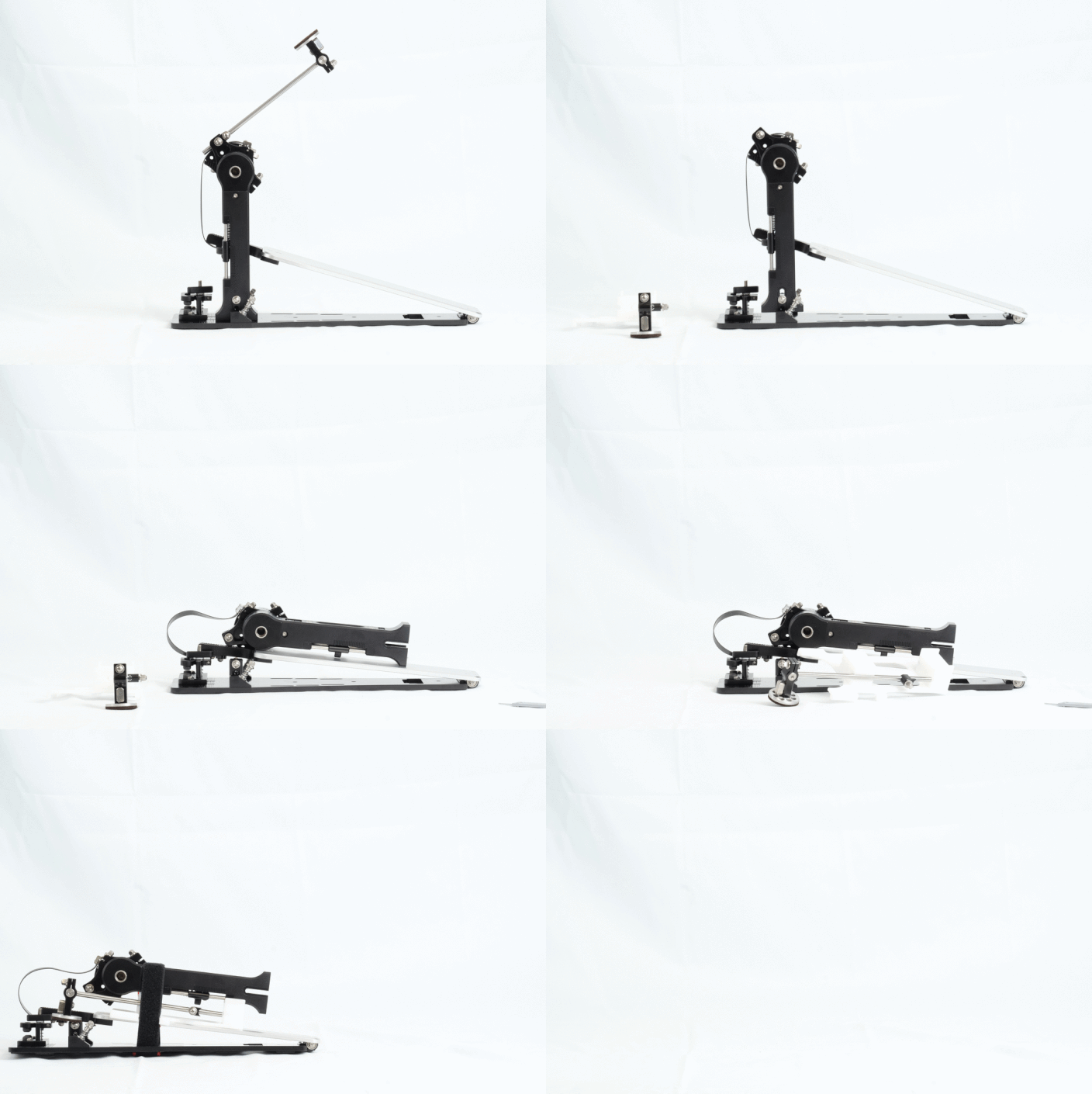
With a weight of approximately 2 kg (4.4 lb) as a single pedal and just under 4.5 kg (9.9 lb) as a double pedal, the Darwin is a practical companion even for air travel. When needed, the main pillar can be detached from the base plate in just a few steps and stored compactly.
Every single, double, and middle pedal is supplied with the backpack or hard case. Depending on the required storage space, the pedal can be transported either fully folded together with personal essentials, or in a more traditional, partially disassembled configuration within the bag.
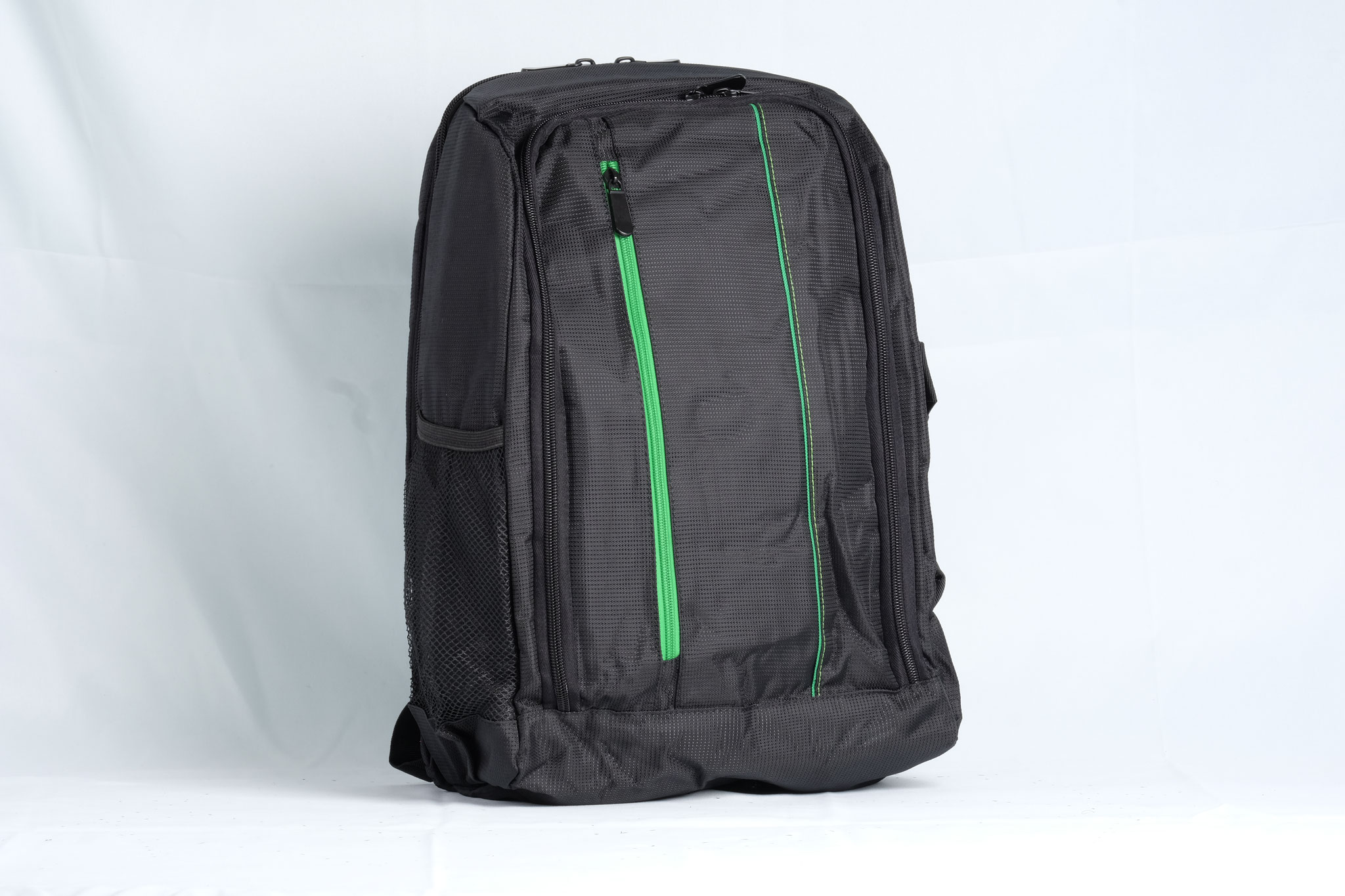


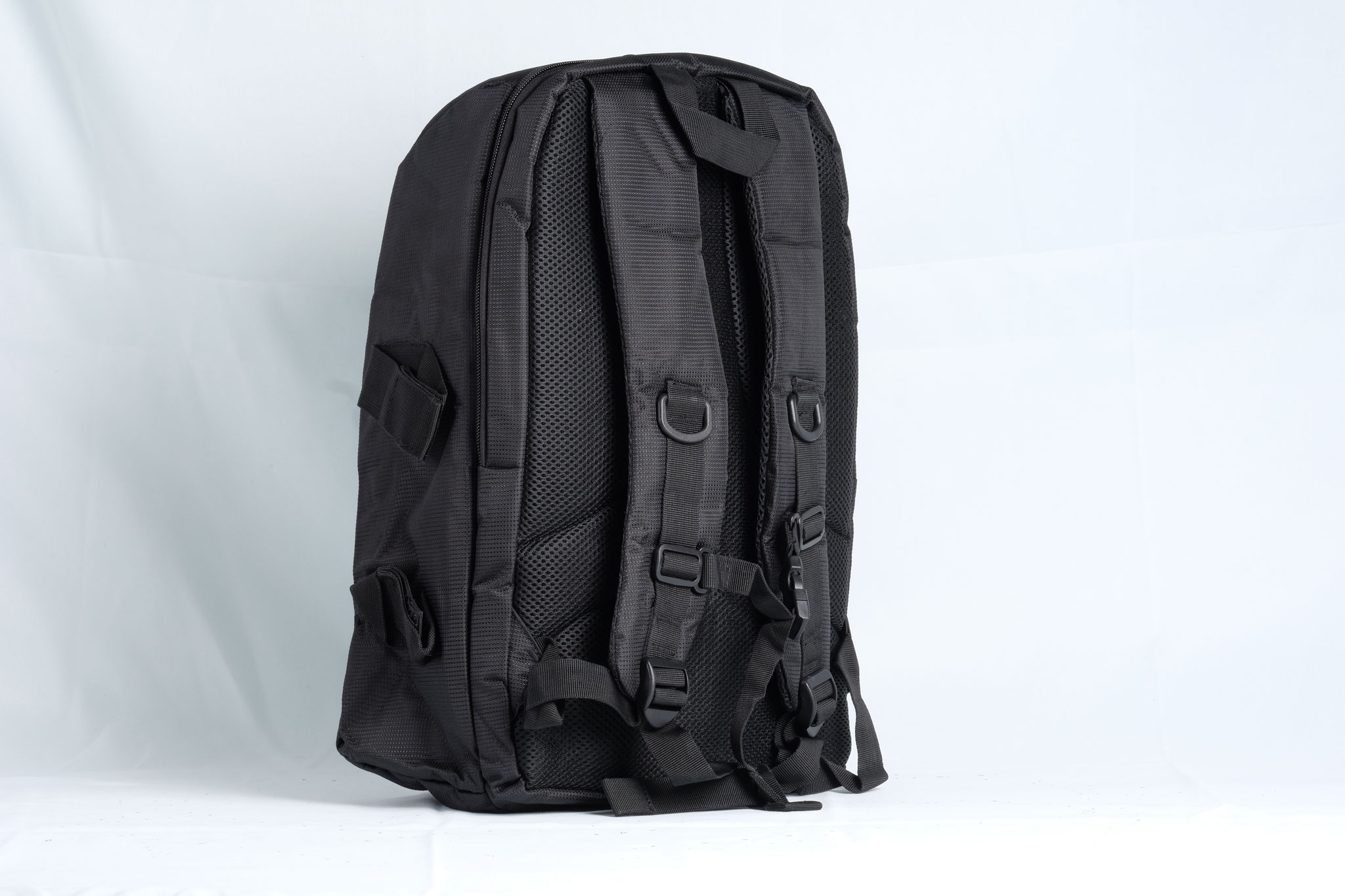


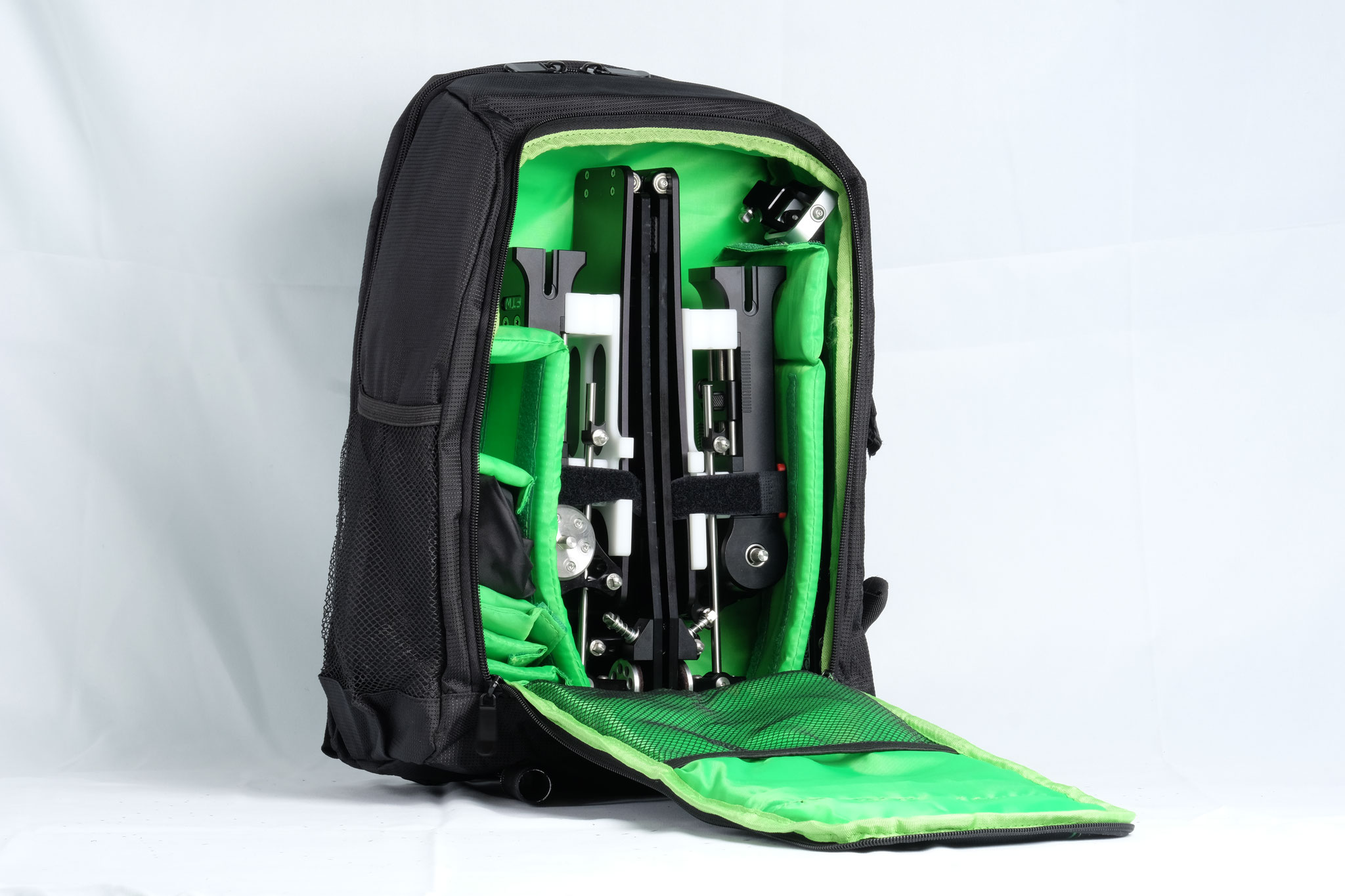


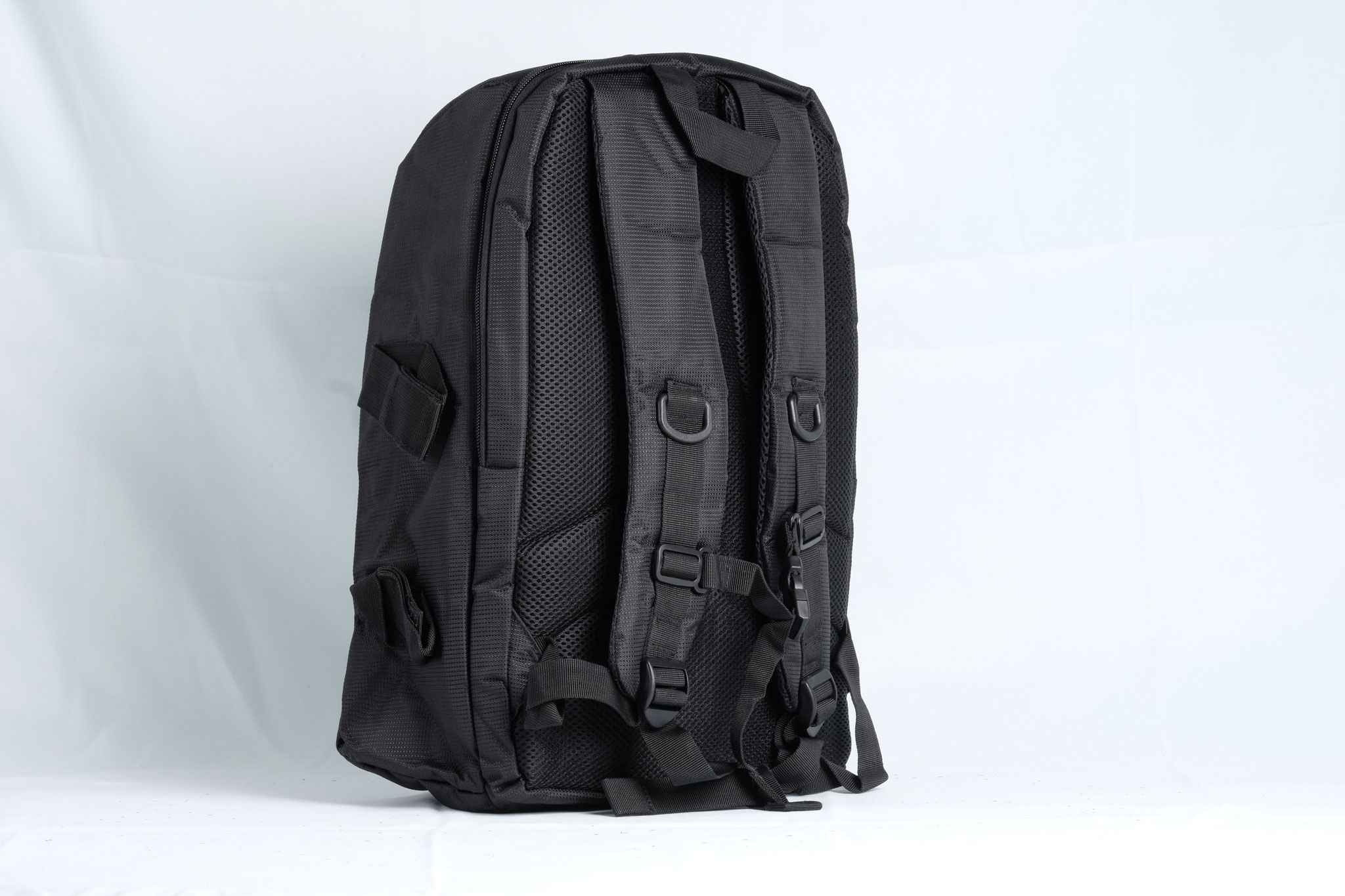


In addition to the pedal, the backpack provides ample space for accessories and small parts, as well as a dedicated compartment for a 13" laptop. The internal layout is fully adjustable to suit individual needs.
When less additional storage is required, single and double pedals can also be transported unfolded and ready to play.

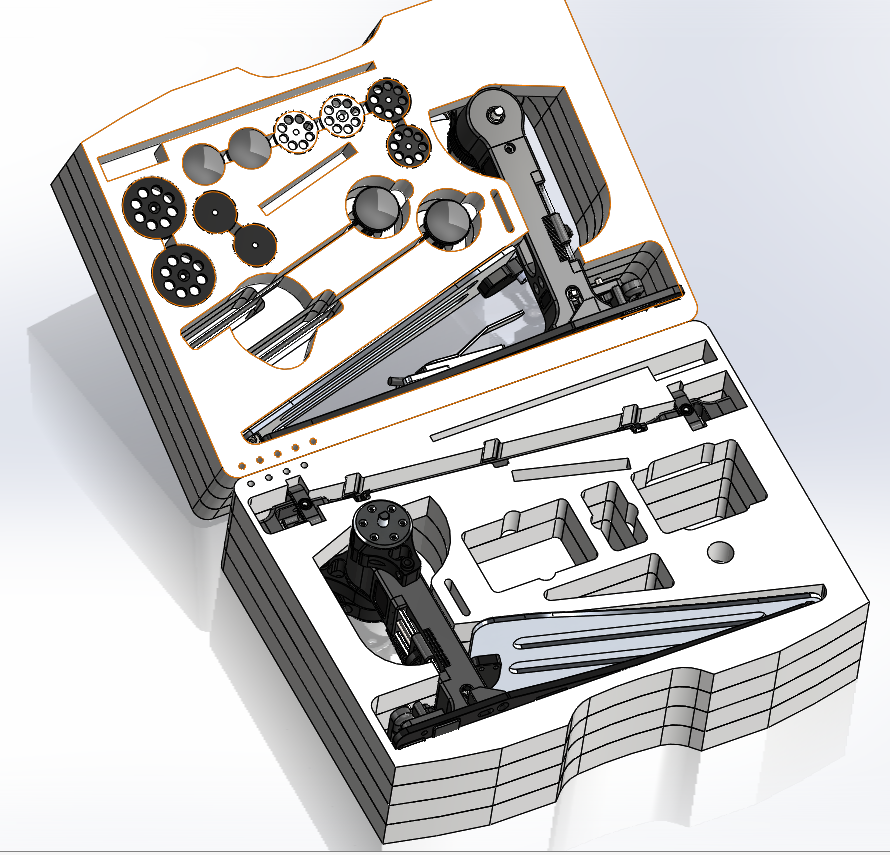


As an alternative to the backpack, and especially for the demands of touring, the Darwin can also be supplied in a durable hard case. Laser-cut foam inserts are tailored specifically to single, double, or middle pedal configurations and ensure secure and well-protected transport.
The integration of transport options into the online shop is currently in progress. Until then, the preferred option is clarified individually during the order confirmation process.

Versions
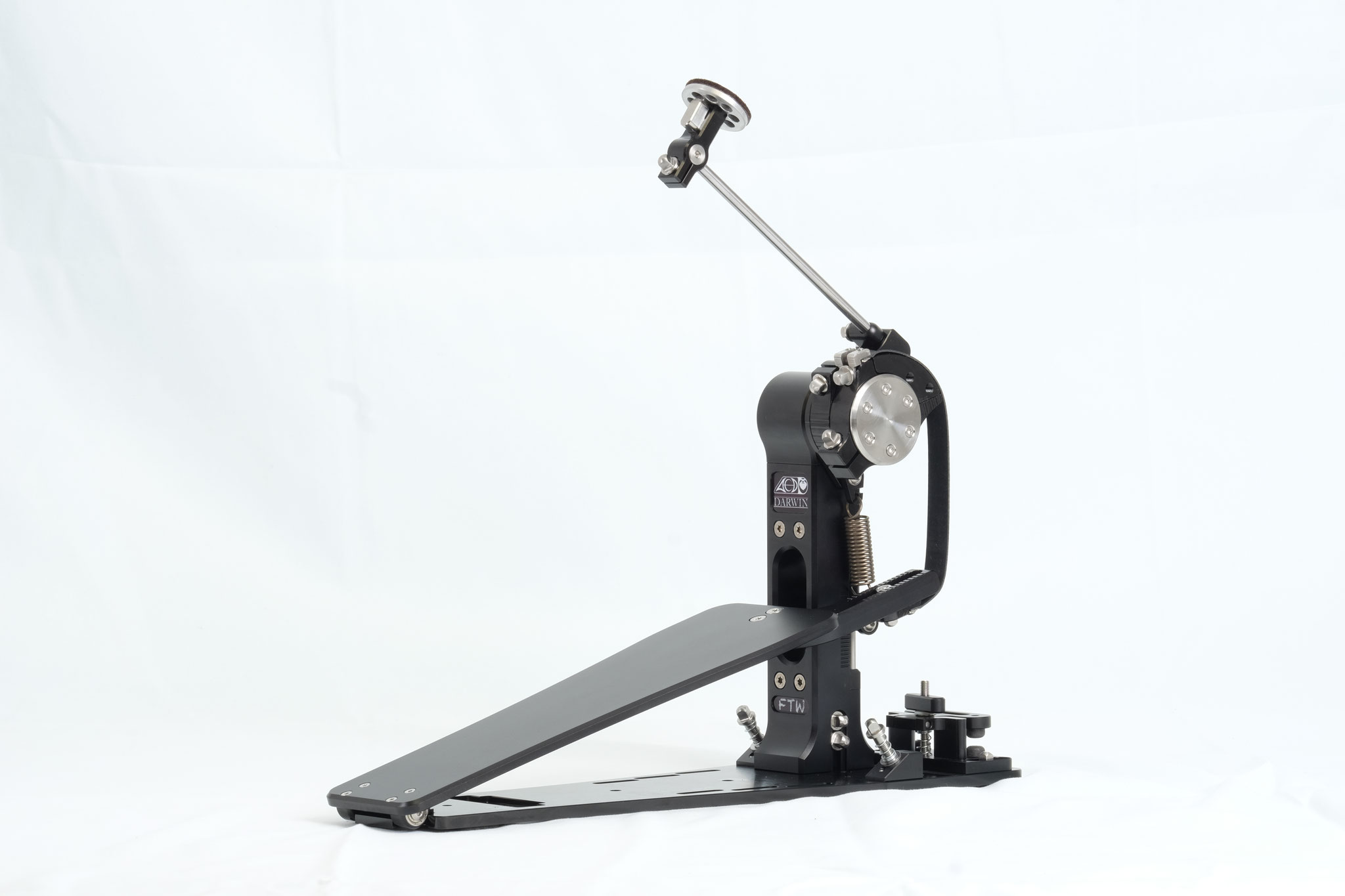


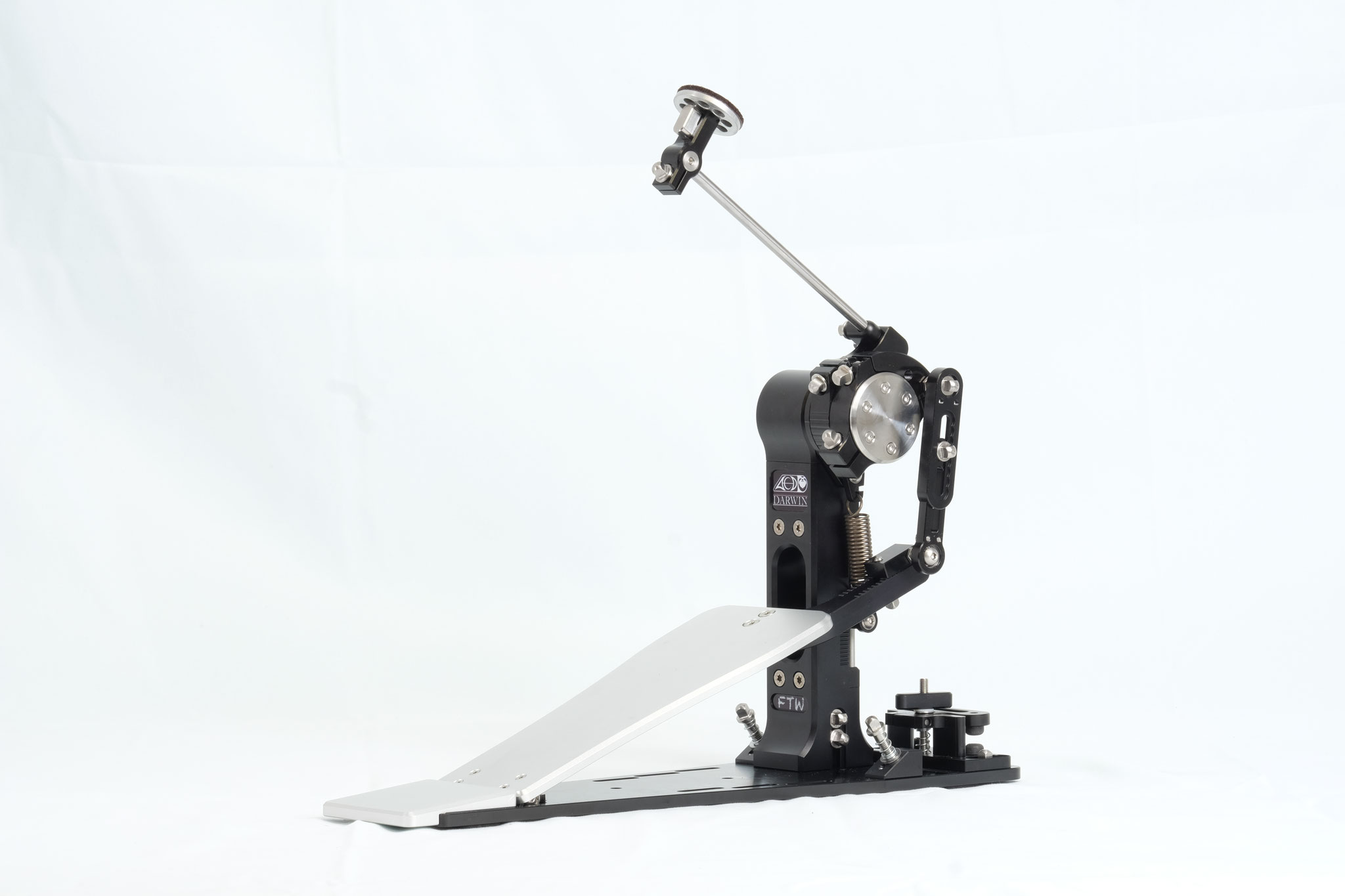


The Darwin FTW is available as a single, double, or middle pedal and can be configured for both right- and left-handed players.
In the base configuration, various combinations of footboard and drive options are available.
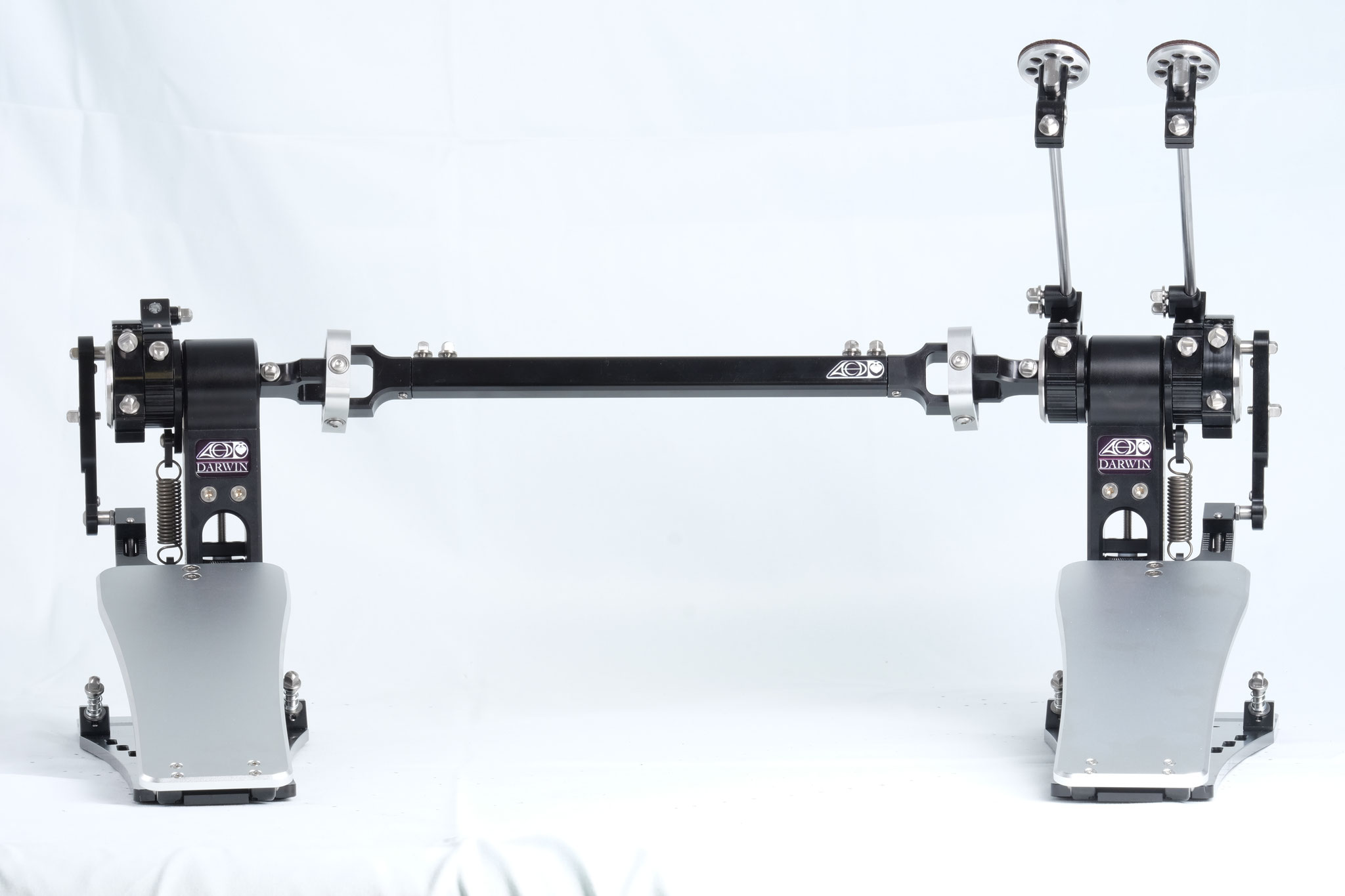


Double and middle pedals can be converted into two single pedals in just a few steps. This simply requires removing the DriveShaft and repositioning the beater.


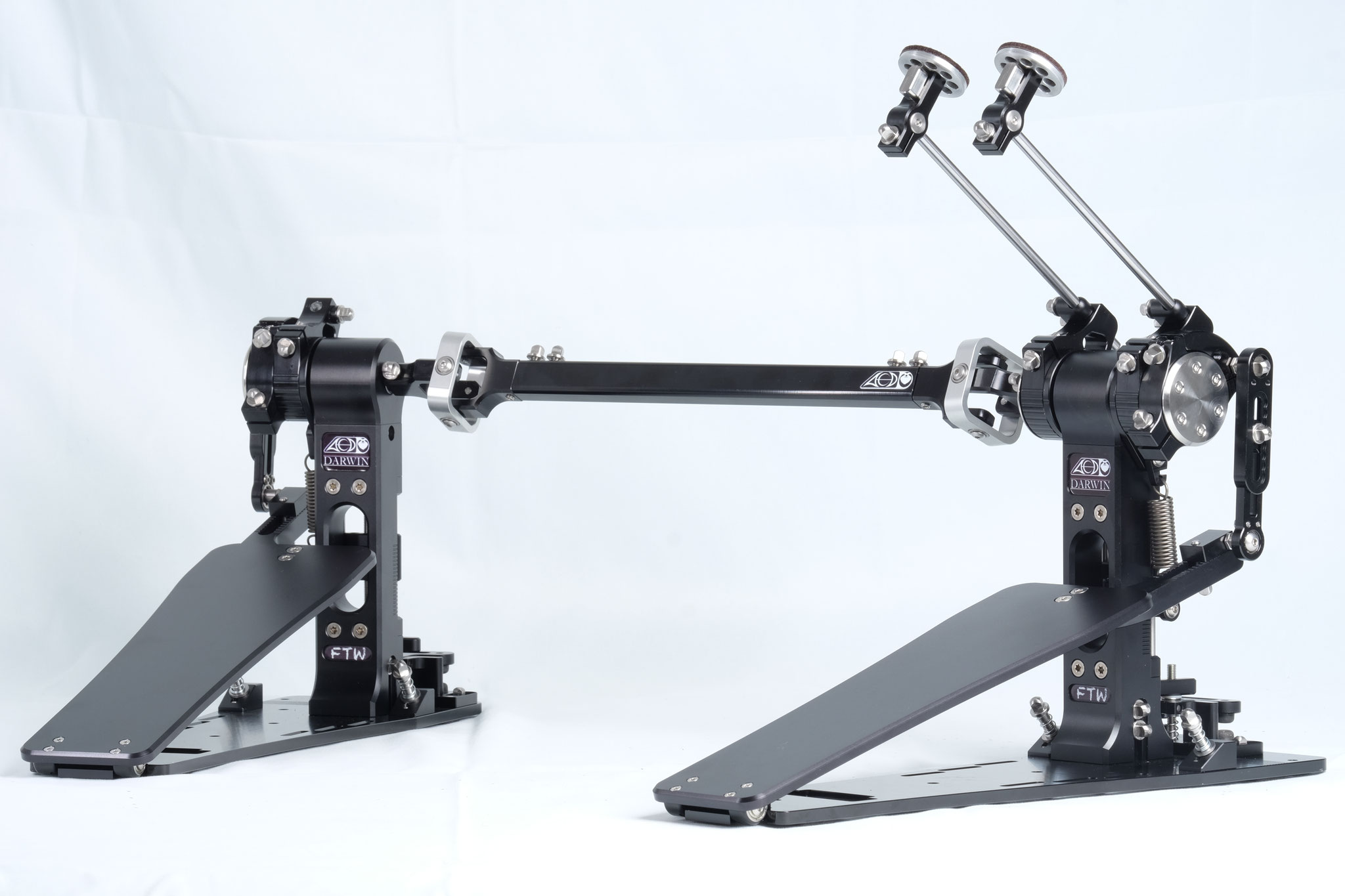


Like all my products, the pedals are produced in small batches and assembled by hand.
Current information on availability and lead times can be found here: Availability.
Click here to visit the online shop.
A personal exchange is important to me. If you have any questions, requests, or feedback, feel free to get in touch at any time.